Why Beaverdale and Sherman Hill Homes Need Special Wood Care
If you own a brick or Victorian home in Beaverdale or Sherman Hill, you're living in one of Des Moines most architecturally significant neighborhoods. These neighborhoods are treasured for their character, craftsmanship, and the stories their homes tell. But that charm comes with a responsibility: historic homes demand more attention to wood maintenance than newer construction.
The average Beaverdale brick home or Sherman Hill Victorian was built between 1890 and 1950, when builders used solid wood framing, real plaster walls, and wood trim that was often milled from old-growth timber. These materials are beautiful and durable, but they're also vulnerable to moisture, settling, and the natural aging process. Unlike modern homes built with pressure-treated lumber and synthetic materials, your historic home's wood structure needs active protection and regular inspection to stay sound.
Many homeowners in these neighborhoods discover problems only when they're advanced. A small water leak behind a brick wall can go unnoticed for months, silently feeding Wood Rot and Dry Rot Repair issues deep inside the home's frame. The good news is that understanding the risks and taking preventive action can save you thousands of dollars and preserve your home's structural integrity for generations to come.
The Hidden Threats: Moisture, Rot, and Termites in Old Homes
Historic homes in Des Moines face three primary wood threats that newer homes rarely encounter at the same scale: dry rot, wood rot from moisture, and termite damage. Each of these problems progresses silently, often for years, before visible signs appear on the surface.
Dry rot is especially common in older homes because it thrives in poorly ventilated spaces with moderate moisture levels. It doesn't require standing water like other fungi; just sustained dampness above 20% will trigger decay. In a Beaverdale brick home, this often happens in basement rim joists, crawl spaces, or behind exterior walls where water seeps through aging mortar joints. Wood Rot and Dry Rot Repair becomes necessary when the structural wood begins to lose its strength, developing a honeycomb texture and crumbling when probed.
Moisture-related wood rot differs slightly. It develops faster and is often visible as soft, darkened wood with a strong musty smell. Common sources include roof leaks, foundation cracks, failed caulking around windows and doors, and condensation in attics or basements. Victorian homes with their complex rooflines and original wood siding are particularly susceptible to these issues.
Termite Damage Repair is another serious concern for historic homeowners. Iowa termites are most active in spring and early summer, and they can cause extensive structural damage before anyone notices. Unlike rot, which develops from inside the wood, termites leave visible signs: mud tubes on foundation walls, discarded wings near windows, and hollow-sounding wood when tapped. The challenge is that termite damage often occurs in hidden cavities within walls and floor systems, making early detection critical.
Wood Trim Repair and Exterior Maintenance: Your First Line of Defense
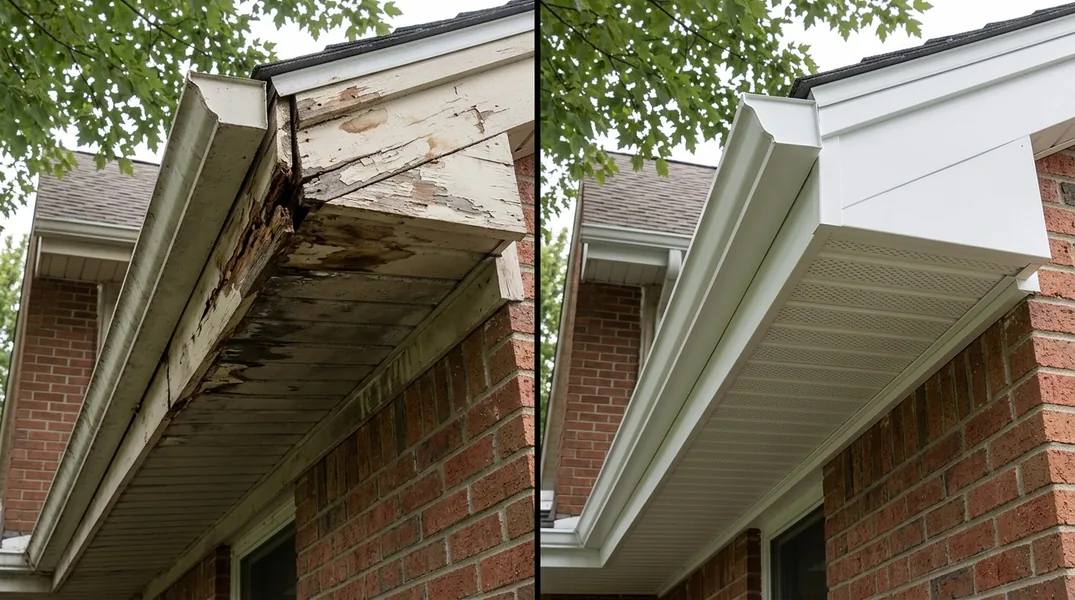
The exterior wood trim on a Sherman Hill Victorian or Beaverdale brick home serves as your first defense against moisture penetration. Fascia boards, soffit, window frames, door casings, and corner boards all take the brunt of weather exposure. When these elements fail, water finds its way into the wall cavities and framing lumber behind them.
Many homeowners overlook wood trim because it seems cosmetic, but deteriorating trim is actually a warning sign that structural damage may be developing inside. Peeling paint, soft spots, cracks, or separation from the wall indicate that moisture has compromised the wood's integrity. Wood trim repair should never be postponed because the cost of addressing trim damage early is a fraction of the cost of repairing rot that has spread into the home's frame or Floor Joist and Subfloor Repair work.
Proper maintenance involves regular inspection, prompt caulking of gaps and cracks, repainting every 5 to 7 years, and ensuring that gutters and downspouts direct water away from the foundation. In historic homes, it's also important to use breathable caulks and paints that allow the wood to move naturally with seasonal changes, rather than modern polyurethane products that can trap moisture and accelerate decay.
When to Call a Professional: Recognizing Signs of Structural Damage
Knowing when to call a professional carpenter is crucial for historic homeowners. Some warning signs are obvious, like visible rot or termite mud tubes, but others are subtle and easy to miss. Soft spots in floors, doors or windows that stick or won't close properly, cracks in plaster walls that follow a diagonal pattern, or a sagging roofline can all indicate wood damage that requires professional evaluation.
If you notice any of these signs in your Beaverdale or Sherman Hill home, don't wait. Structural problems compound quickly, and what might be a localized repair today can become a major Beam Replacement and Load-Bearing Wall Removal project within a year or two if left untreated. A professional inspection can identify hidden damage using moisture meters, probes, and visual assessment, giving you a clear picture of your home's condition and the work required.
Des Moines Carpentry specializes in historic home repair and understands the unique challenges that Beaverdale brick and Sherman Hill Victorian homes face. We can assess your wood structure, identify active rot or pest damage, and recommend the most cost-effective solutions. Many homeowners are surprised to learn that catching problems early often means we can stabilize and repair rather than replace, preserving the original character of your home.
Old House Maintenance: A Year-Round Checklist
Maintaining a historic home is an ongoing commitment, but a simple seasonal checklist can help you catch problems before they become expensive. Spring is the ideal time to inspect your roof, gutters, and exterior trim after winter weather. Look for loose shingles, ice dam damage, and any areas where water may have backed up. Check that gutters are clear and downspouts extend at least 4 to 6 feet away from the foundation.
Summer is the season to inspect basement and crawl space walls for moisture and mold growth. Use a moisture meter to check wood framing in these areas, and ensure that your sump pump is working and that grading slopes away from the foundation. Look for any signs of termite activity, including mud tubes or discarded wings near windows and doors.
Fall maintenance should focus on preparing for winter. Seal any gaps around pipes, vents, and chimneys with caulk. Inspect the attic for roof leaks, proper ventilation, and any signs of pest activity. Make sure your gutters are clear of leaves and debris before heavy rain and snow arrive.
Winter is when you should monitor your home's interior for signs of moisture problems. Watch for condensation on windows, musty smells in basements or crawl spaces, or water stains on ceilings and walls. These often indicate that exterior defenses have failed and moisture is entering the home.
Planning Your Budget: What Historic Home Repair Really Costs
One of the most common questions homeowners ask is what they should budget for ongoing maintenance and repairs on a historic home. The answer depends on the home's age, condition, and how well it's been maintained, but there are some realistic benchmarks to consider.
Minor wood trim repairs, like replacing a section of fascia or repairing window trim, typically range from a few hundred to a couple thousand dollars. More extensive work, like addressing dry rot in a basement rim joist or replacing rotted floor joists, can cost significantly more. Pricing for structural repairs depends on the extent of damage, the materials required, and the complexity of the work. A professional assessment is the only way to get an accurate estimate for your specific situation.
Rather than viewing these costs as unexpected expenses, consider them an investment in preserving your home's value and safety. A $3,000 repair today can prevent a $15,000 structural failure in five years. Most homeowners find that budgeting 1 to 2 percent of their home's value annually for maintenance and repairs is reasonable for a historic property.
If you're facing a significant repair project and want to understand your options and costs, Des Moines Carpentry offers a free estimate for all historic home repair work. We'll assess your home's condition, explain what needs to be done, and provide transparent pricing so you can make informed decisions about your property. Call us at (515) 762-6553 to schedule your consultation.
Looking for a professional carpentry contractor in Des Moines? Des Moines Carpentry responds fast for all your carpentry needs.
Get a Free QuoteOur services: Wood Rot & Dry Rot Repair · Termite Damage Repair · Floor Joist & Subfloor Repair