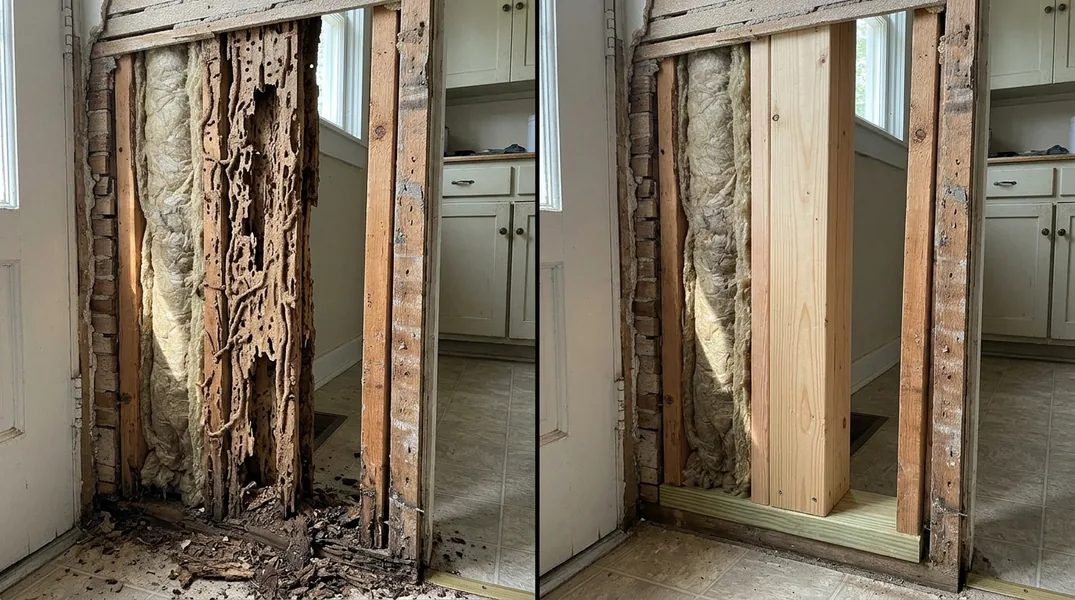
Why Des Moines Weather Creates the Perfect Storm for Wood Damage
Des Moines homeowners face a unique combination of environmental factors that make wood damage almost inevitable. The region experiences dramatic seasonal swings, with brutal winters followed by spring storms that pack serious punch. This climate volatility is the primary reason why hail damage siding repair and ice dam damage repair are among the most common carpentry calls in central Iowa.
The problem starts with Iowa's geographic position in the heart of Tornado Alley. Spring and summer thunderstorms regularly produce large hail that can dent, crack, and puncture wood siding, roofing materials, and fascia boards. Winter brings a different threat: freeze-thaw cycles that create ice dams on roofs, which then cause water to back up under shingles and into the wood structure beneath. When temperatures fluctuate wildly between below zero and above freezing, the wood expands and contracts repeatedly, creating stress fractures that invite moisture penetration and eventual rot.
Understanding Hail Damage to Your Siding and Fascia
Hail damage isn't always immediately obvious to the untrained eye. Many homeowners don't realize their siding and fascia have been compromised until they notice water stains on interior walls or soft spots when they press on the wood. Hail can create small cracks, splits, and punctures in wood siding that seem minor at first but allow water to seep into the wood fibers. Once water gets inside, it becomes trapped, creating the ideal environment for fungal growth and decay.
Your fascia boards (the horizontal boards that run along the edge of your roof) are particularly vulnerable to hail damage. These boards are exposed to the full force of storms and often bear the brunt of impact. Damaged fascia not only looks unsightly but also fails to protect the underlying wood structure. When fascia repair in Des Moines is delayed, water runs behind the damaged boards and into your soffit, eaves, and roof framing. This is when a cosmetic problem becomes a structural crisis that requires extensive Wood Rot & Dry Rot Repair.
Ice Dams: The Silent Destroyer of Wooden Structures
Ice dams form when warm air escapes from your attic and melts snow on the upper portion of your roof. As water runs down toward the eaves, it refreezes in the colder sections, creating a dam of ice. This dam prevents melting snow from draining off your roof, forcing water to back up under the shingles and into the wood decking, fascia, and soffit. The damage can be catastrophic because the water is under pressure and has time to soak deep into the wood fibers.
What makes ice dam damage particularly insidious is that it often goes unnoticed until significant decay has already occurred. By the time you see water stains on your ceiling or notice soft spots in your fascia, the wood rot may have spread to structural components like roof trusses and wall framing. In severe cases, homeowners in Des Moines discover that ice dam damage has compromised their entire roof structure, requiring not just repair but complete reconstruction. This is why prompt identification and professional assessment are critical.
How Weather Patterns in Central Iowa Accelerate Wood Rot
The freeze-thaw cycles that define Iowa winters are particularly hard on wood. When water enters a crack in your siding or fascia during a warm spell, it freezes solid when temperatures drop. As ice expands, it forces the crack wider, creating an even larger opening for water to enter during the next thaw. This cycle repeats throughout the winter, progressively enlarging the damage and driving moisture deeper into the wood. Over time, this repeated stress breaks down the wood's cellular structure and creates conditions where dry rot fungi can flourish.
Humidity levels in the spring also contribute to rapid rot development. As snow melts and moisture saturates the air, any wood that has been compromised by hail or ice dam damage becomes a perfect breeding ground for decay. The fungi that cause dry rot thrive in damp conditions and can spread through wood at alarming rates. What might have been a small area of damage in January can become extensive rot by April if left unaddressed. This is why homeowners should schedule an inspection with a qualified carpentry professional immediately after major storms or at the end of winter.
Recognizing the Signs of Hail, Ice Dam, and Rot Damage Near Me
Early detection is your best defense against expensive repairs. After a significant hailstorm, inspect your siding, fascia, and roof from the ground using binoculars. Look for dents, cracks, splintering, or areas where the wood appears crushed or compressed. Pay special attention to the south and west-facing sides of your home, which typically receive the most intense hail impact. If you notice any damage, don't wait for it to get worse before calling a professional.
For ice dam damage, look for water stains on your ceiling or interior walls, particularly in corners and along the edges of rooms. Check your attic for wet insulation, dark stains on wood framing, or a musty smell that indicates moisture accumulation. Soft or spongy spots on fascia boards, soffits, or trim are a sign that rot has already begun. If you see any of these warning signs, contact Des Moines Carpentry at (515) 762-6553 to schedule a free estimate. A professional inspection can identify problems you might miss and prevent them from becoming catastrophic.
Professional Wood Rot & Dry Rot Repair: Your Best Protection
Attempting to repair hail damage or wood rot yourself often makes the problem worse. Surface-level fixes that don't address the underlying moisture source will fail within months, and meanwhile, decay continues spreading invisibly. Professional Wood Rot & Dry Rot Repair requires identifying not just the visible damage but also the root cause. A qualified carpenter will remove all compromised wood, address any moisture intrusion issues, and install proper repairs that will last decades.
Des Moines Carpentry specializes in identifying and repairing all types of weather-related wood damage. Our team understands the specific challenges that Iowa's climate presents and knows exactly how to address hail damage, ice dam damage, and the rot that follows. We don't just replace damaged wood; we implement solutions that prevent the problem from recurring. Whether you need fascia repair, siding replacement, or extensive structural restoration, we have the expertise to handle it. Call us today at (515) 762-6553 or visit our website to learn more about our services and pricing.
Looking for a professional carpentry contractor in Des Moines? Des Moines Carpentry responds fast for all your carpentry needs.
Get a Free QuoteOur services: Wood Rot & Dry Rot Repair · Termite Damage Repair · Floor Joist & Subfloor Repair